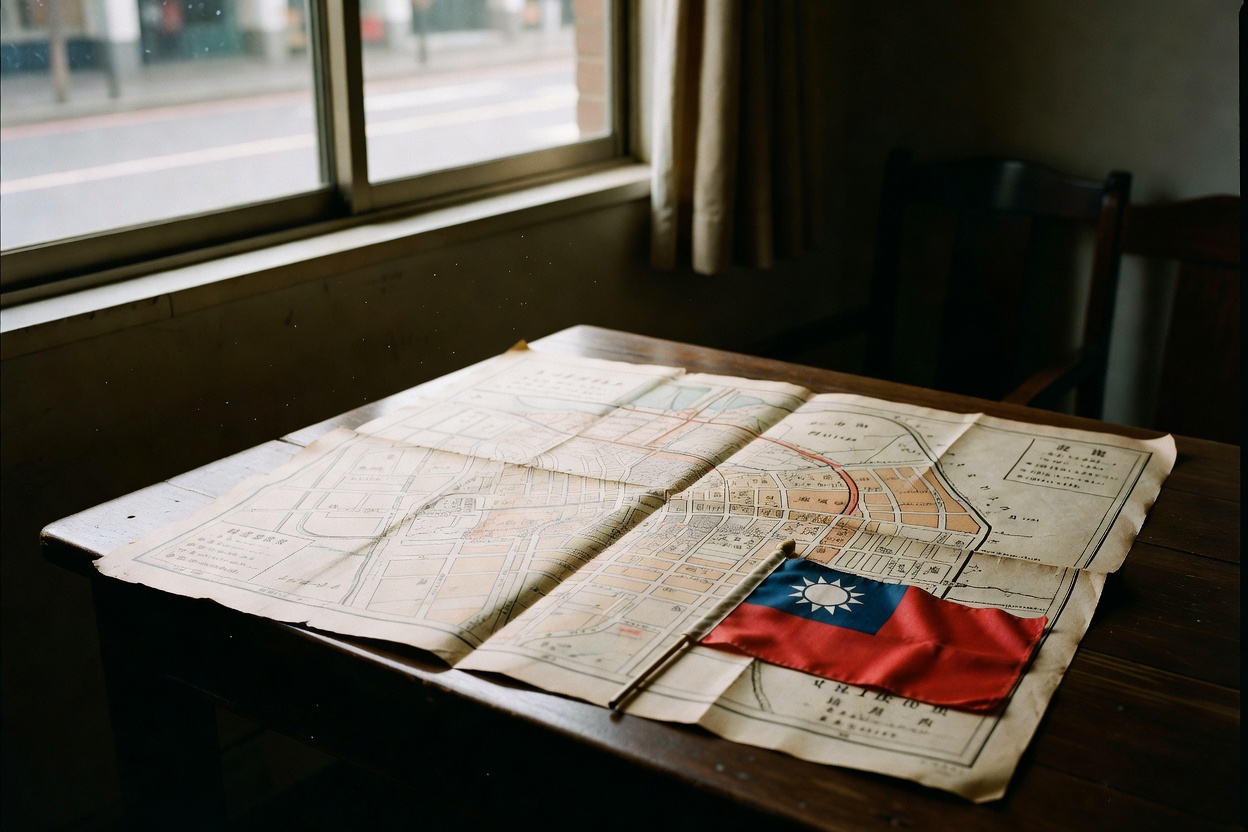
The date on the calendar this Friday is the accident, not the holiday. On October 9, 1911, revolutionaries in the Russian concession at Hankou, now part of Wuhan, were building bombs when one of them went off. The blast exposed the cell. Lists of names were seized. People who had been waiting for a coordinated rising had hours, not weeks. The next day, October 10, army units in Wuchang mutinied, took the city, and started the Xinhai Revolution. The Qing court did not survive the winter. The Republic of China dates its start to January 1, 1912. National Day marks the uprising, not the founding.
Sun Yat-sen was not in Wuchang. He was in the United States, raising money, and learned of the rising from a newspaper. The holiday still carries his name in speeches because the Tongmenghui network he led had spent years failing to set a date. The bomb forced one. That is the unromantic version, and it is the one that matches the week.
Taiwan was not part of the fight. In 1911 the island was in the sixteenth year of Japanese rule, ceded in 1895. Double Ten became a local public holiday only after 1945, and a set piece of the Nationalist state after the government moved to Taipei in 1949. Some Taiwanese still decline the date for that reason. Others fly the flag as a present-tense symbol and skip the Hankou footnotes. Both positions are ordinary here. The statute is not ambiguous: October 10 is National Day.
This Friday is the nearest paper to that anniversary, one day out, and it is also the calendar twin of the bomb. The parade and the fireworks are this weekend’s logistics. The history is a rented room, a bad fuse, and a city that changed hands before the man most associated with the revolution had packed. A clear account of that gap is in Life of Taiwan’s Double Ten note.