Lee Pei-ing sat in front of the camera Monday afternoon and told the investors what the numbers already showed. Nanya Technology’s third-quarter revenue hit NT$133.6 billion. Average selling prices for its DRAM chips jumped more than 60 percent from the previous quarter. Gross margin reached 85.7 percent. Net profit: NT$87.6 billion, or NT$25.4 a share.
The Formosa Plastics affiliate is Taiwan’s only major homegrown DRAM maker. It does not chase the highest-end high-bandwidth memory that the big three Korean and American firms sell to the AI labs. It makes the mid-range chips that still go into servers, networking gear, and the storage boxes that sit next to those GPUs. That market is now short too. Lee said the company can meet only half to two-thirds of customer demand. Some buyers have asked for three-year contracts. A few have floated equity stakes just to lock in wafers.
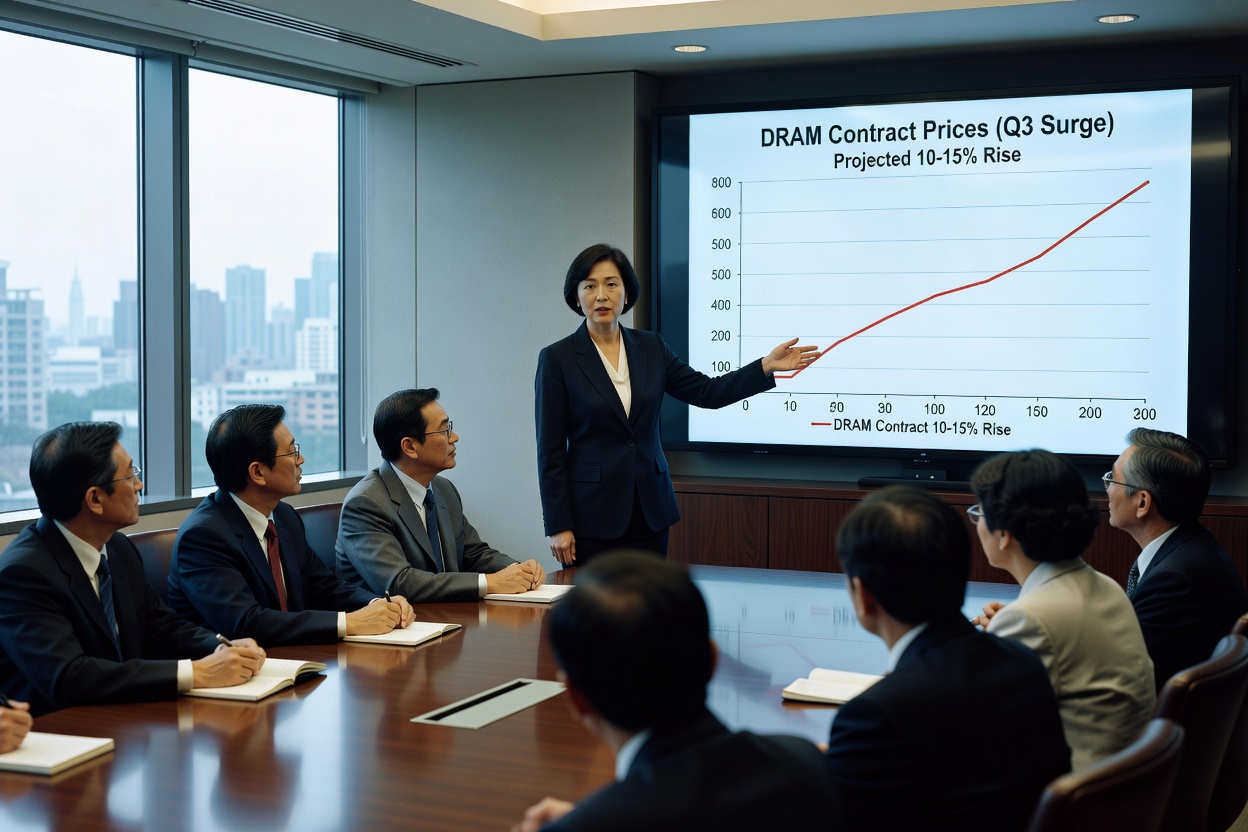
Old long-term agreements expired at the end of June. New prices took effect in July. That is why the margin leapt. Shipments actually fell a few percent because the warehouses were already empty. The price move did the rest. TrendForce sees standard DRAM contract prices rising another 10 to 15 percent this quarter. Lee expects further margin expansion.
AI infrastructure now accounts for more than 20 percent of Nanya’s revenue. The share is still climbing. Conventional DRAM for PCs and phones is squeezed because capacity has been redirected. DDR4 remains strong; the company is in no hurry to push DDR5 much past 10 percent of sales while the older standard keeps selling.
Taipei’s power grid and the water that cools the fabs will absorb more of this growth. Taipower’s chairman has already said the electricity industry needs a seat at the technology table. The memory boom is not a side story. It is one of the reasons the island’s industrial parks stay lit at night.
Focus Taiwan reported the call. The president did not hedge. Supply stays tight. Prices keep rising. The question is how long the customers will keep signing before they start designing around the shortage.